
HyCentA expands liquid hydrogen research: New Liquid Hydrogen Lab to be built in Enns




The new Liquid Hydrogen Lab (LHL) is part of HyCentA's strategic expansion of its existing research, development and testing capabilities. Permits for the building and operating facilities have already been granted, and the project is now in the implementation phase. A total of around EUR 6.6 million is being invested in the new infrastructure. Of this amount, EUR 5 million is funded by the Federal Ministry for Innovation, Mobility and Infrastructure (BMIMI) through the FFG programme „Energieforschung 2024 FTI-Fokusinitiativen“. TEST-FUCHS Aerospace Systems GmbH and HyCentA are contributing a further approximately EUR 1.6 million. The State of Upper Austria will support the operation of the new infrastructure as well as the expansion of highly qualified research positions. The new research and testing infrastructure will benefit applications in industry, aviation, space, road, rail, and maritime transportation.
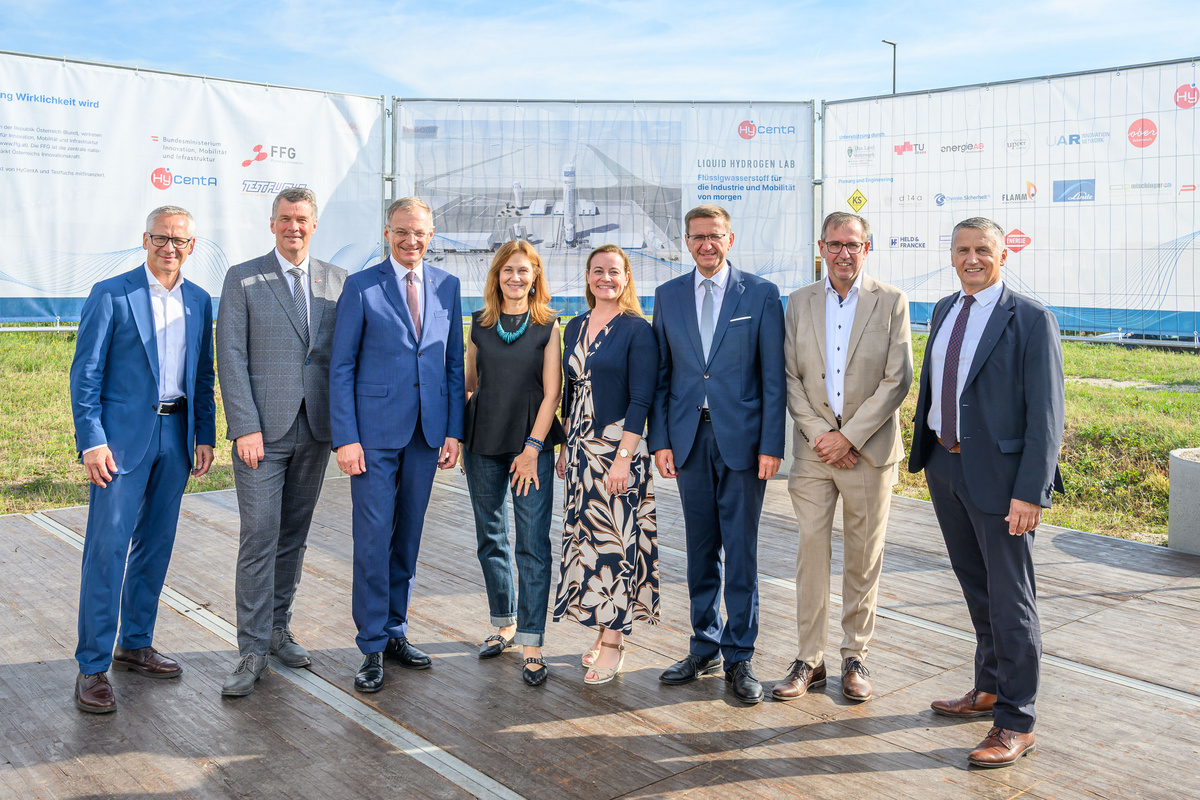
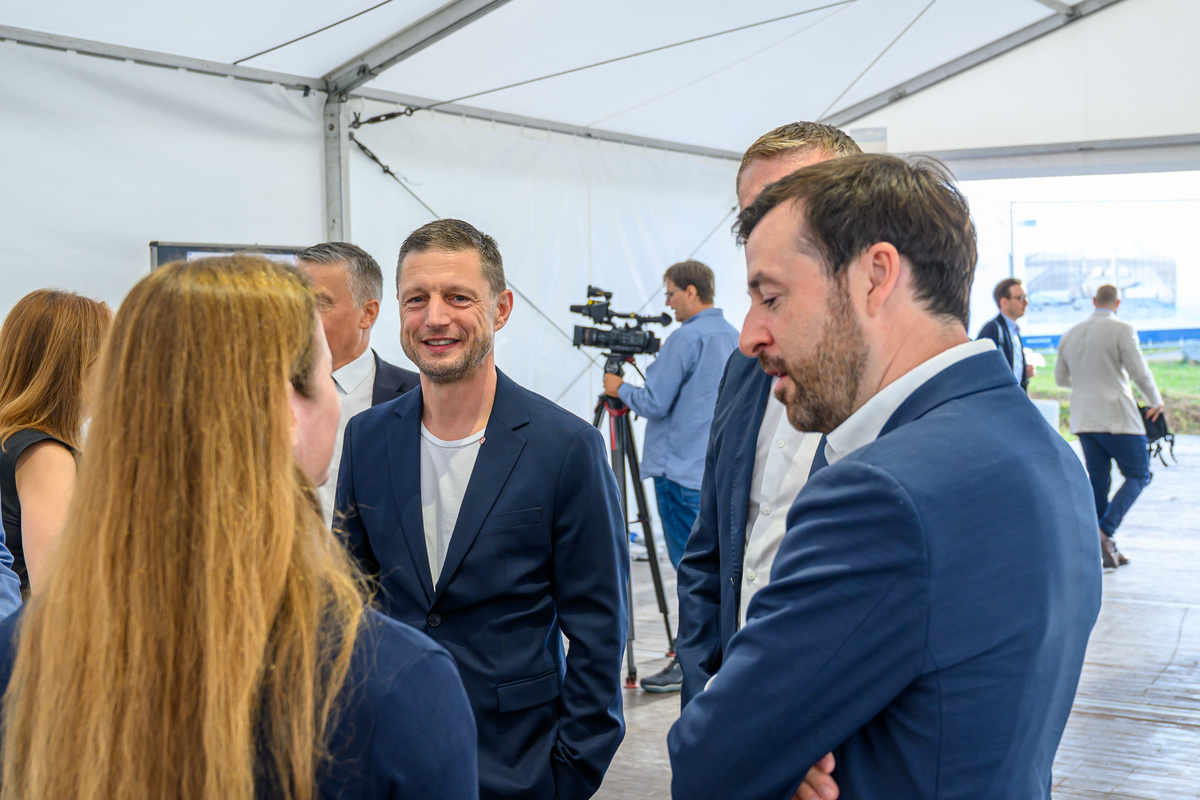
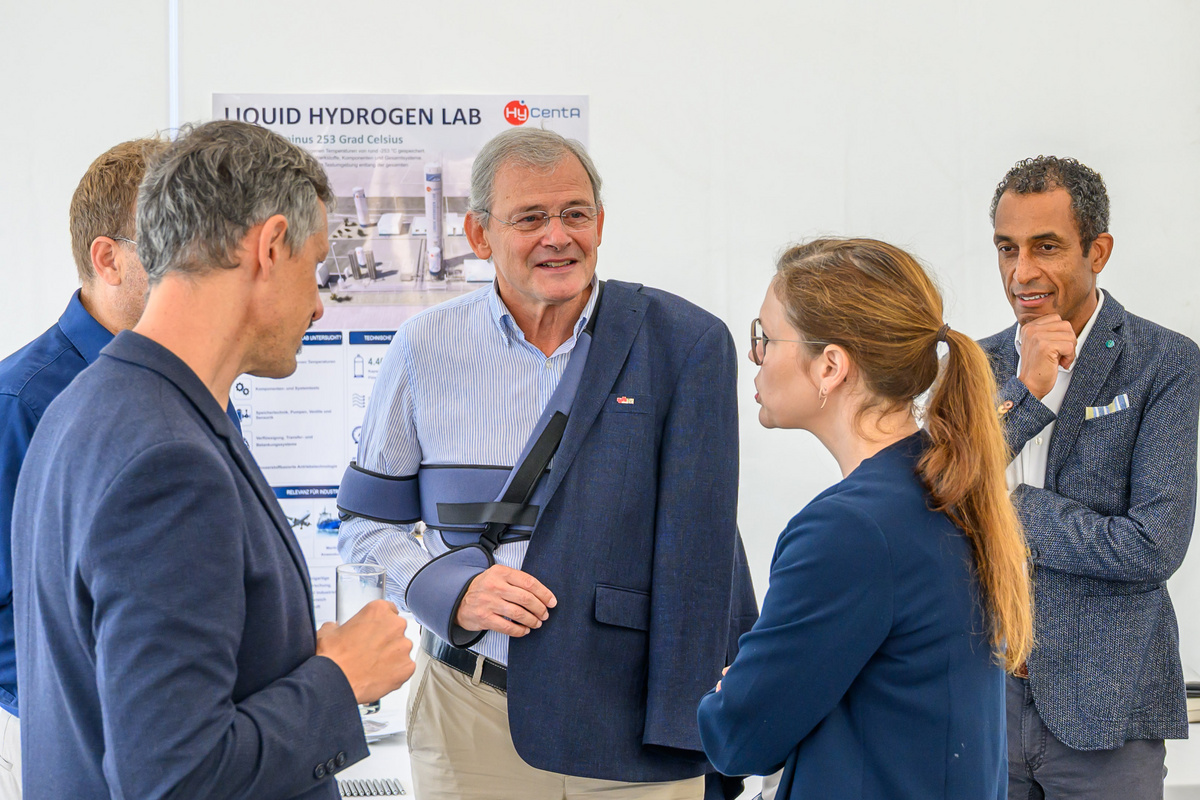
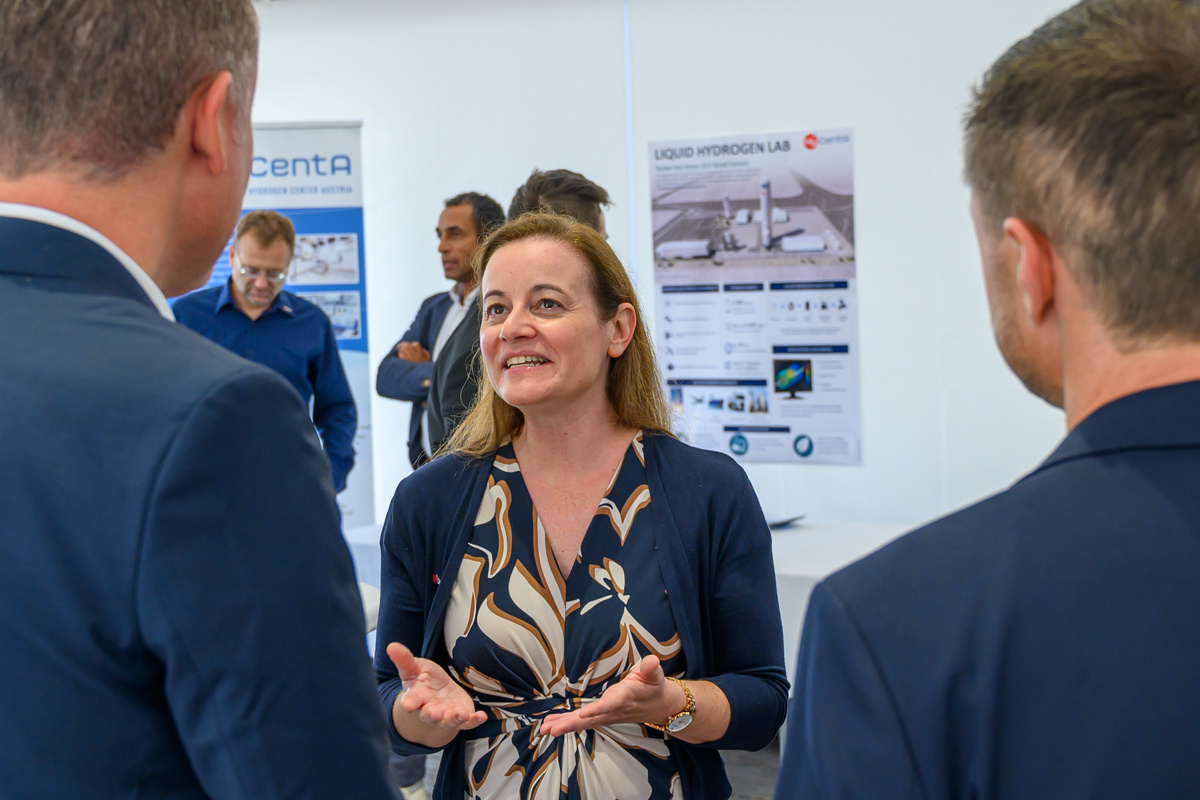
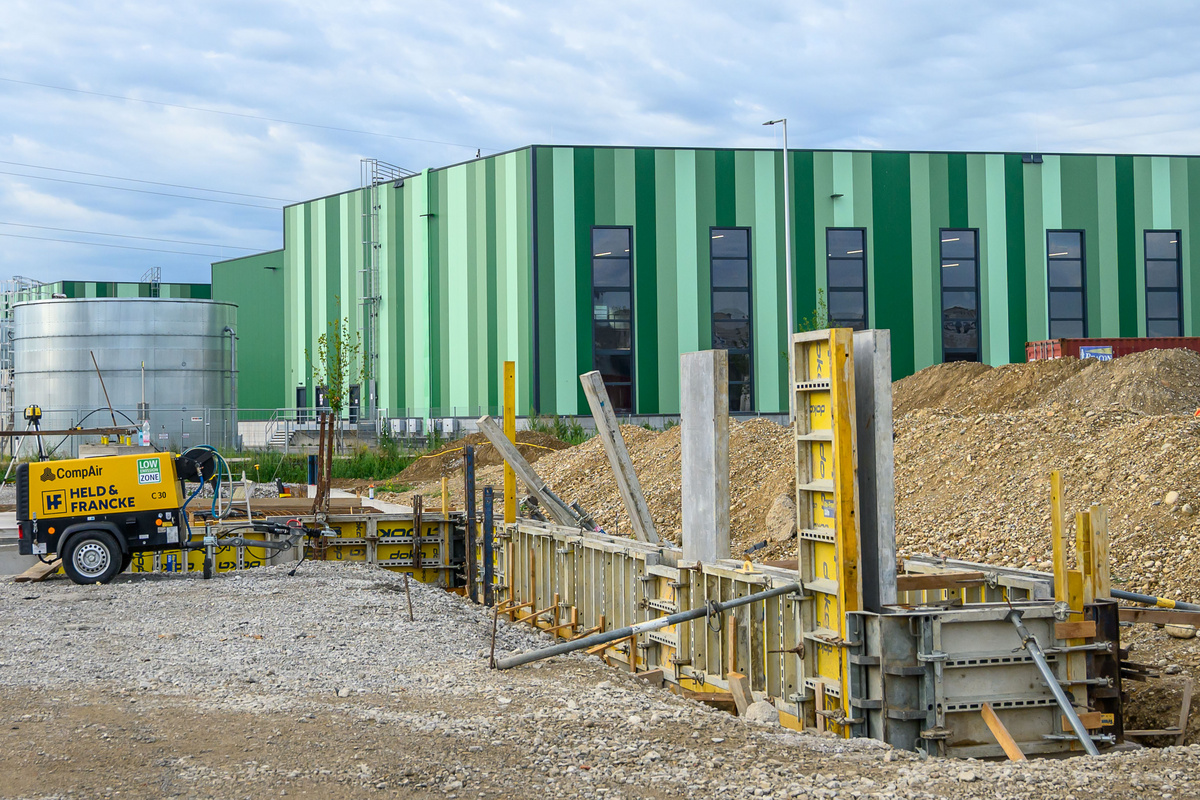
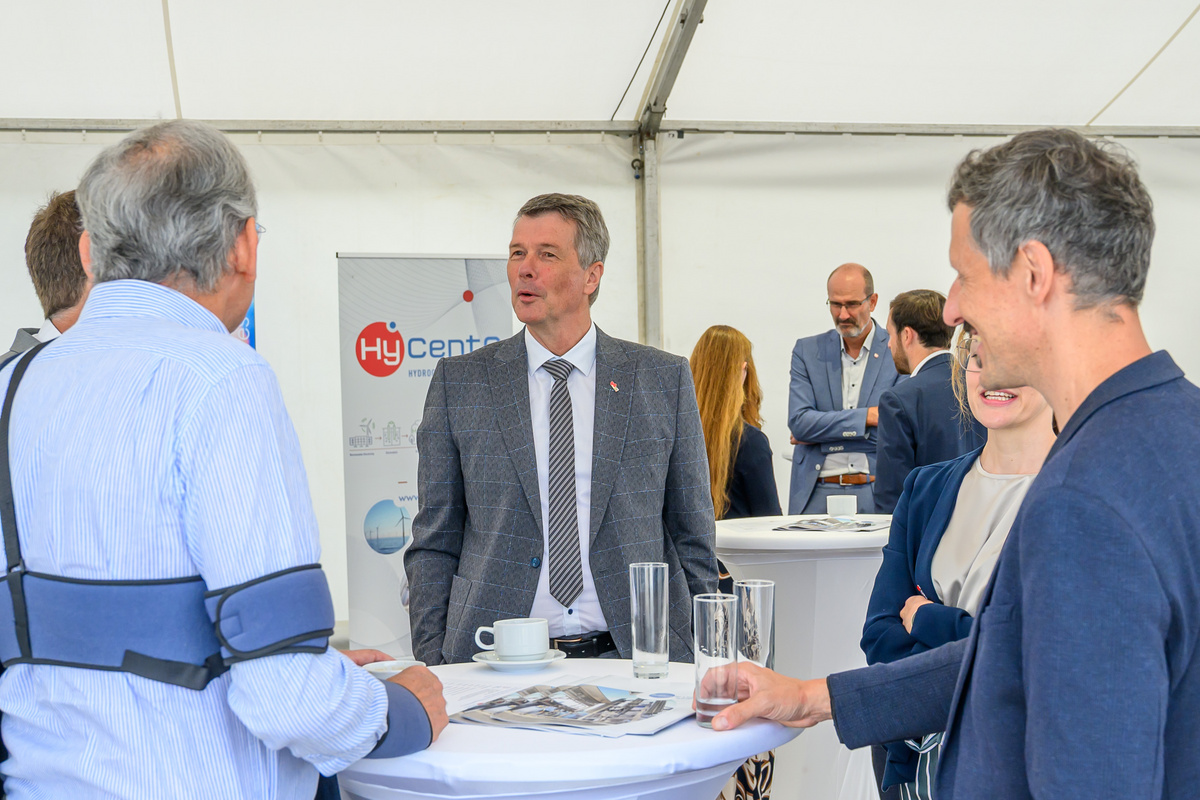
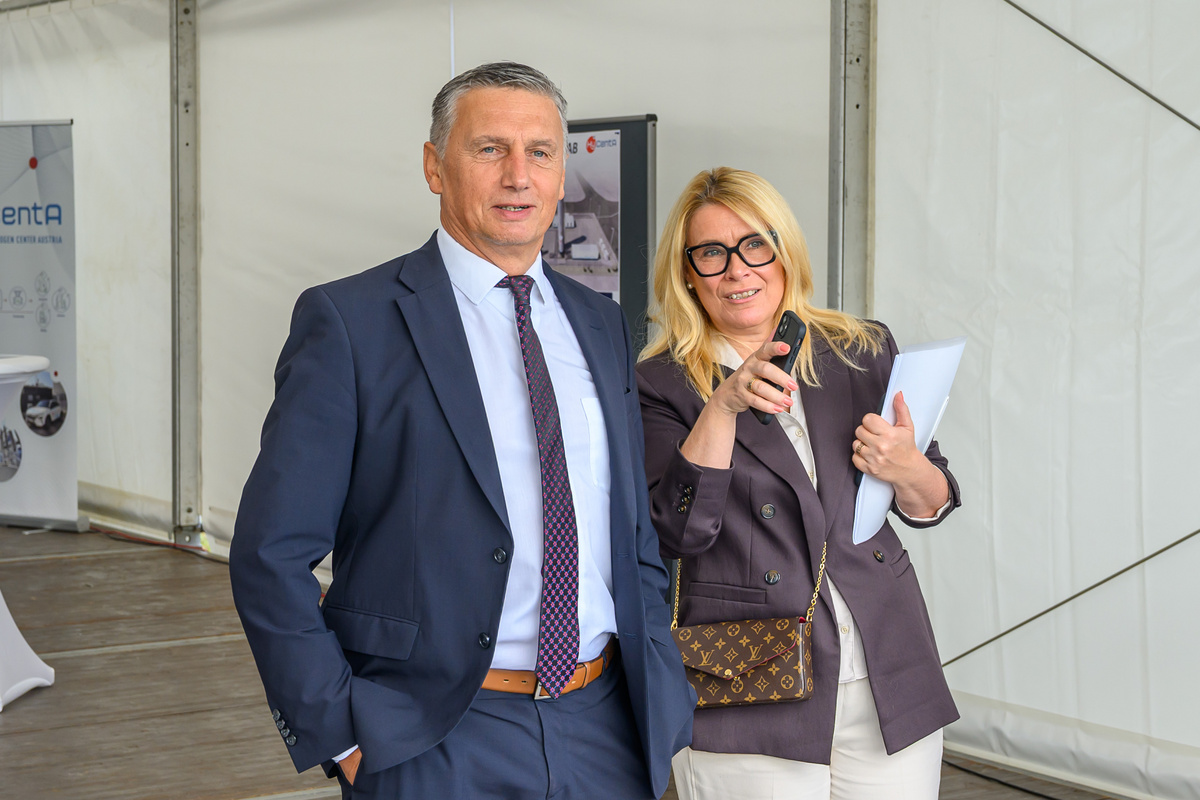
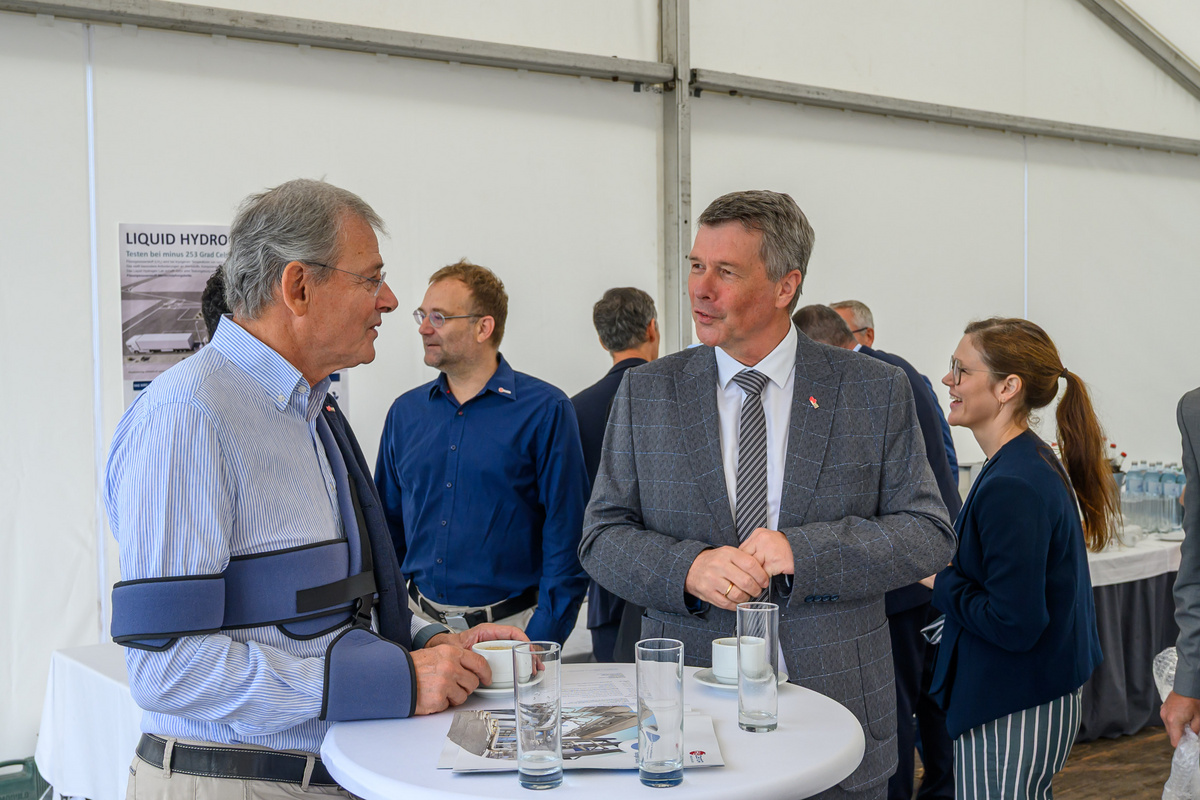
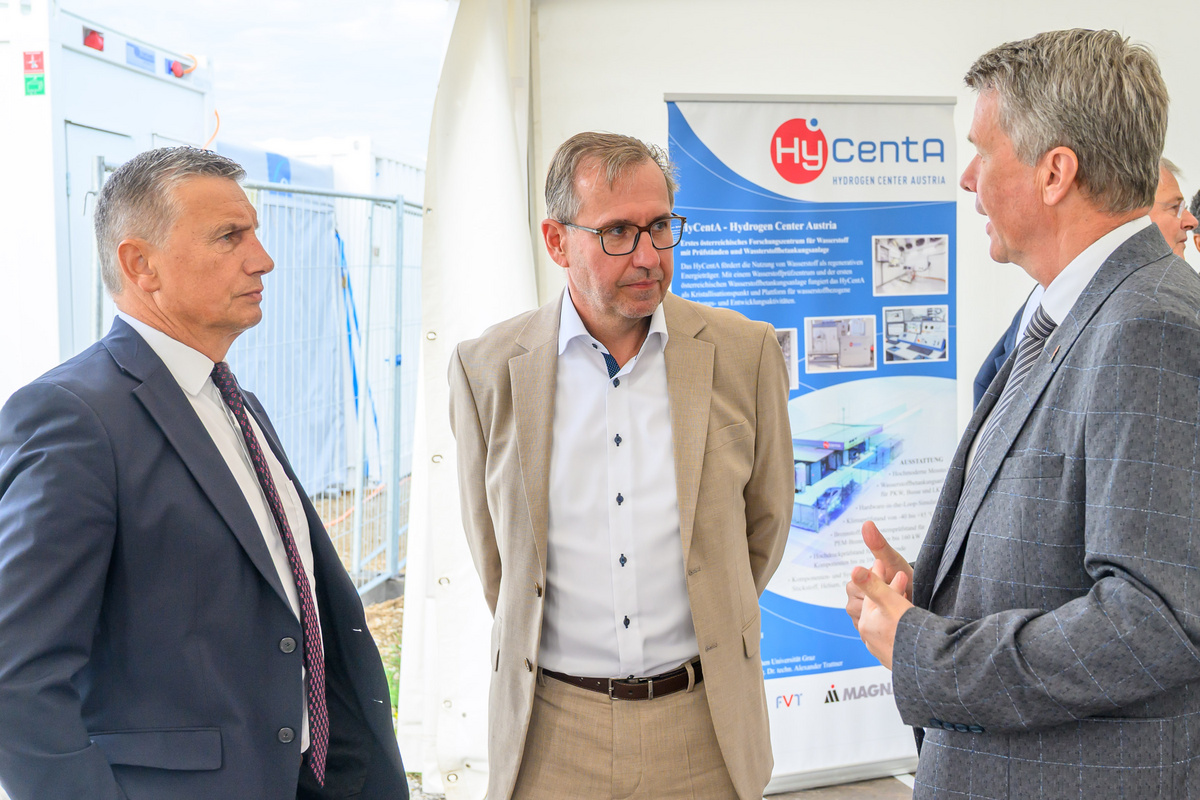
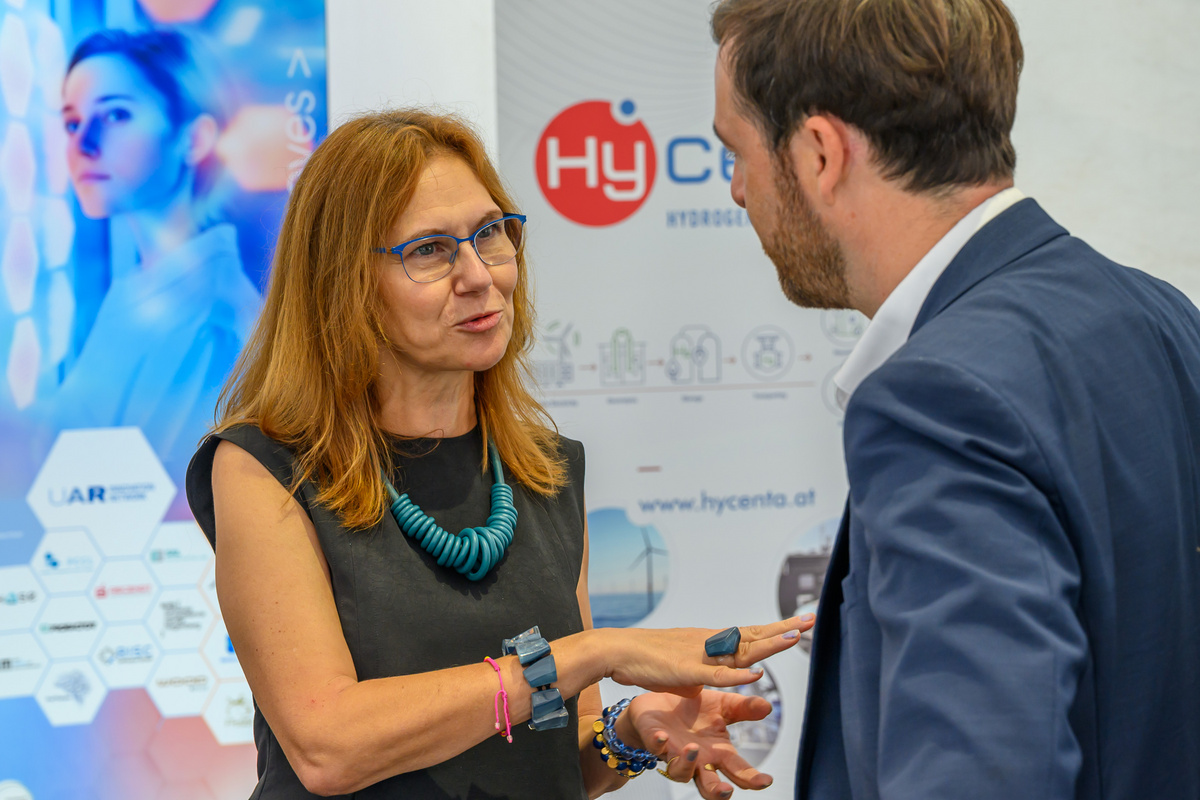
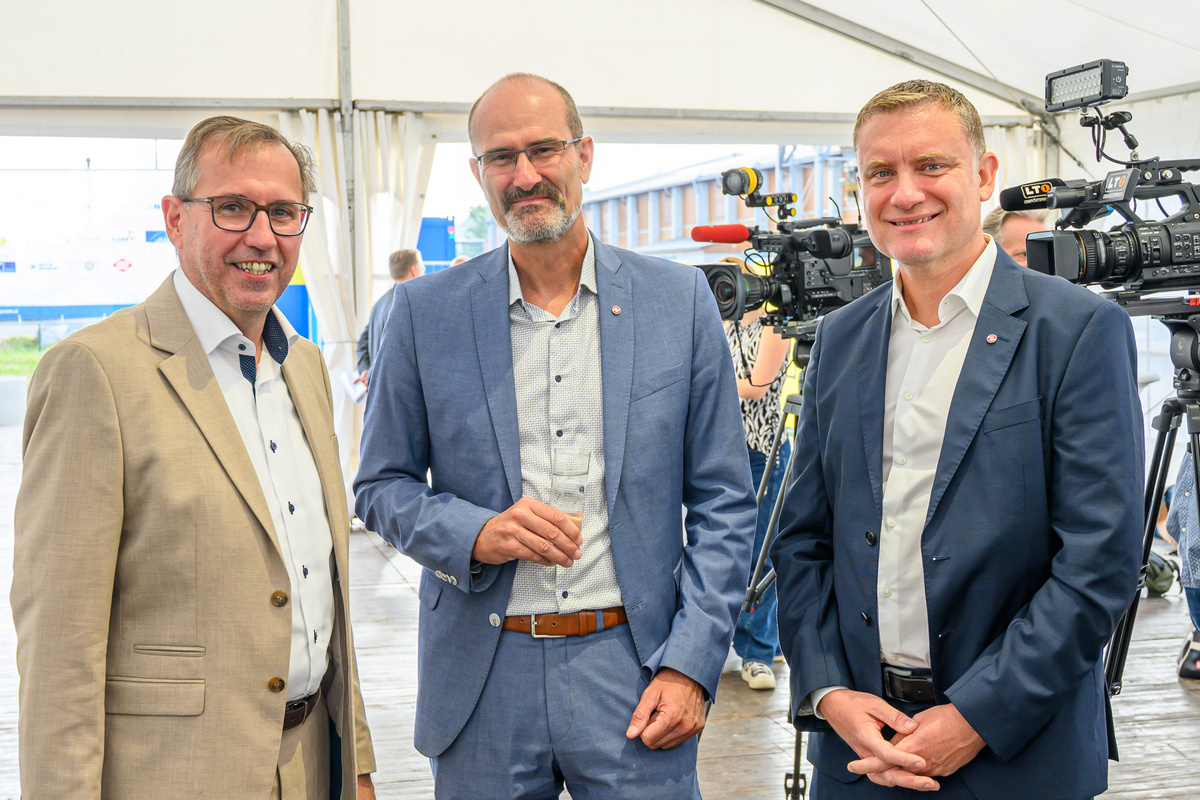
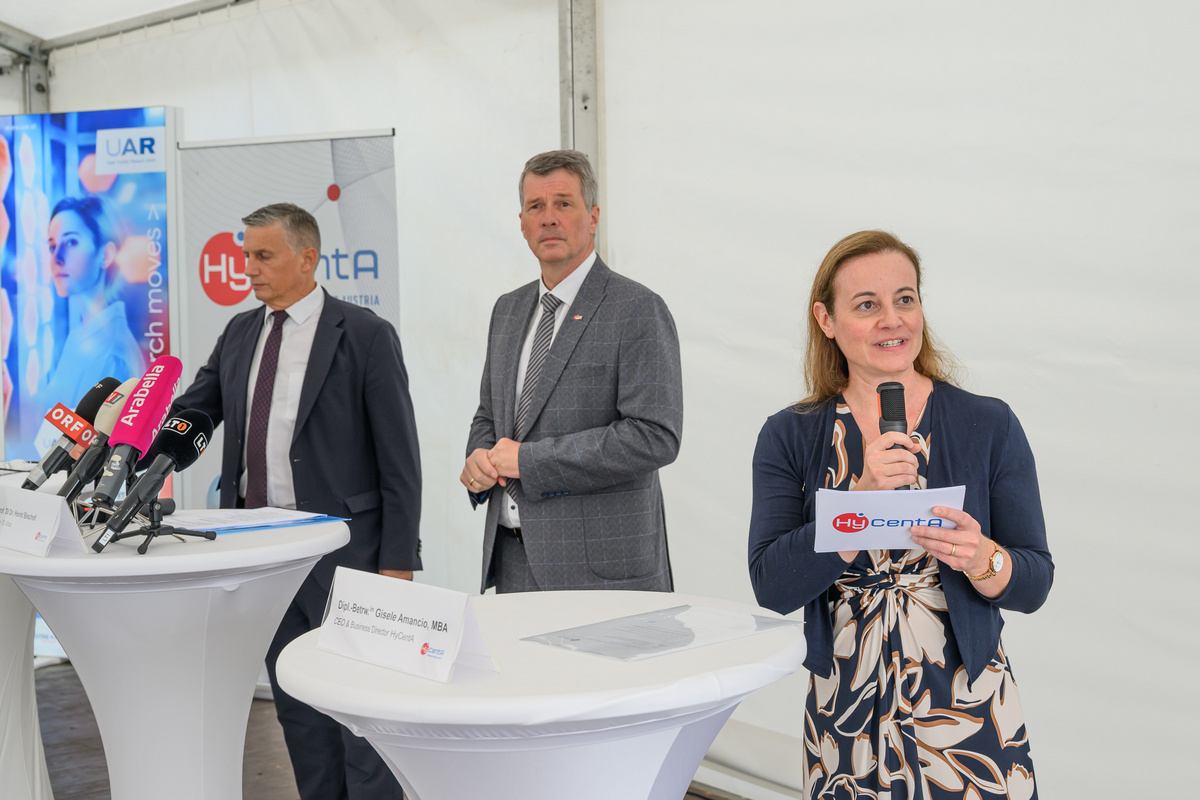
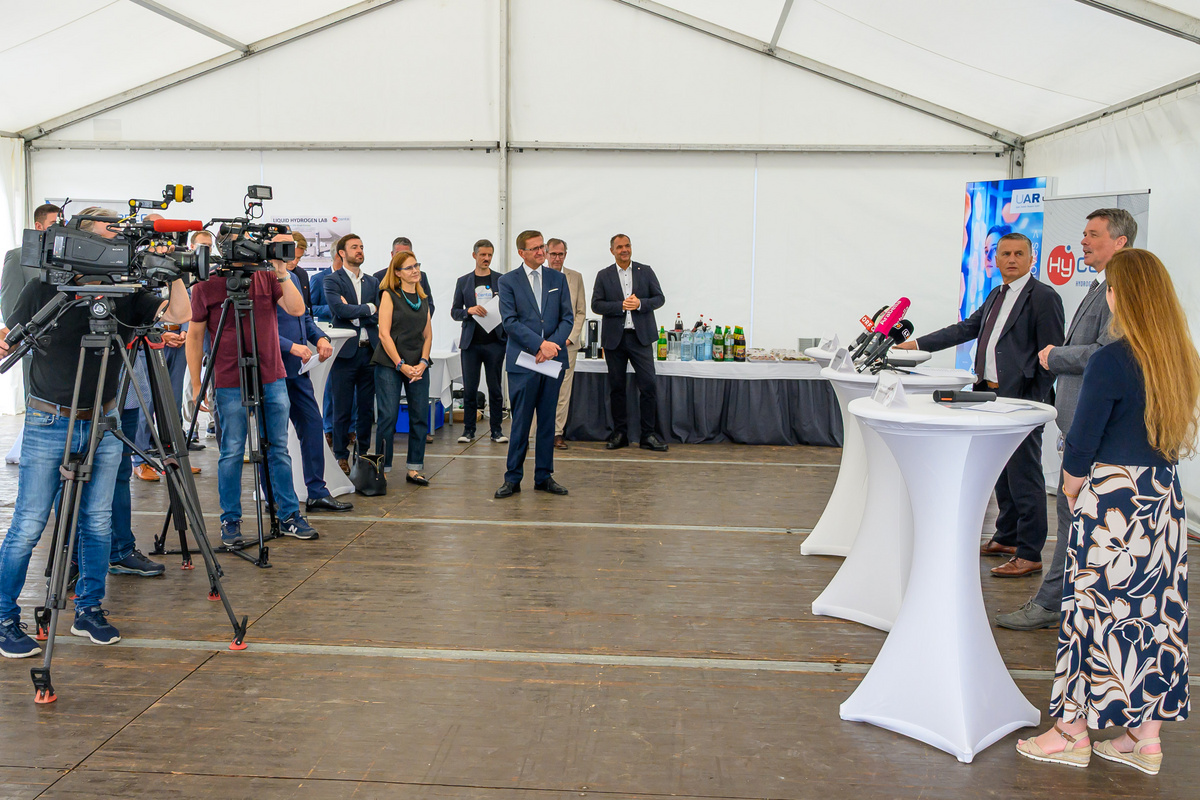
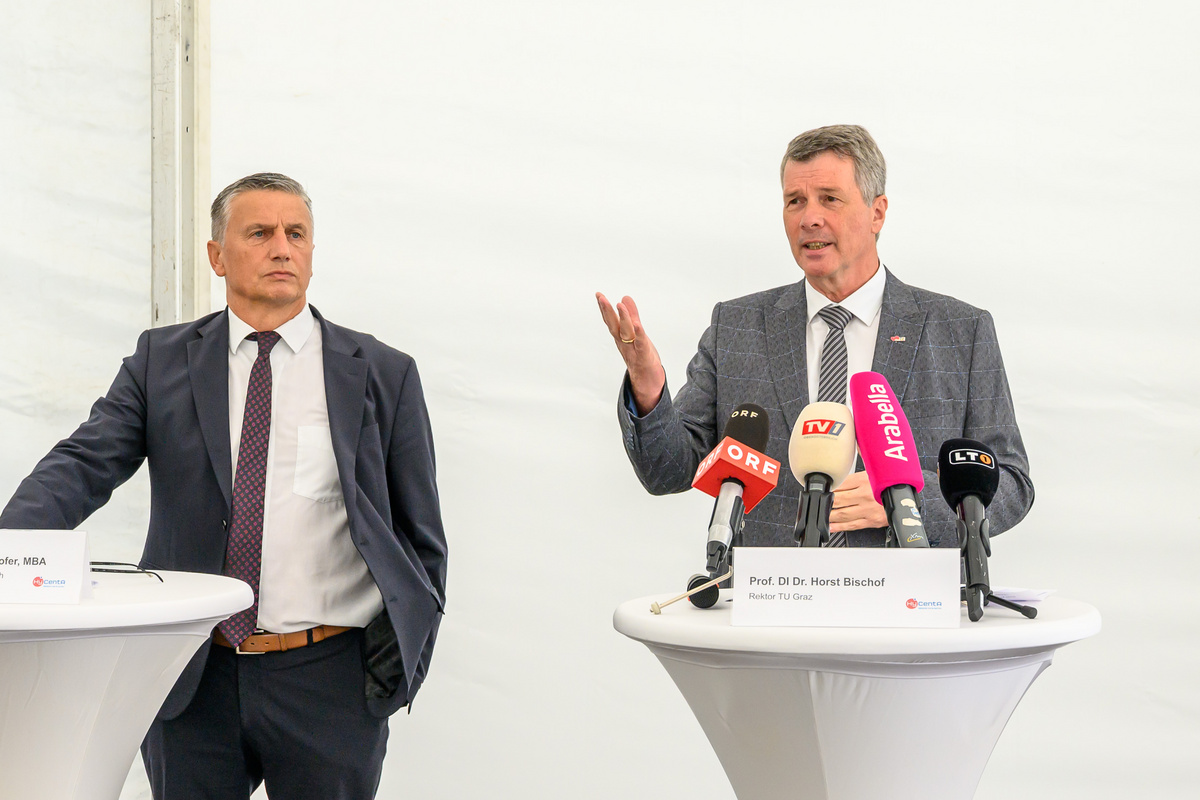
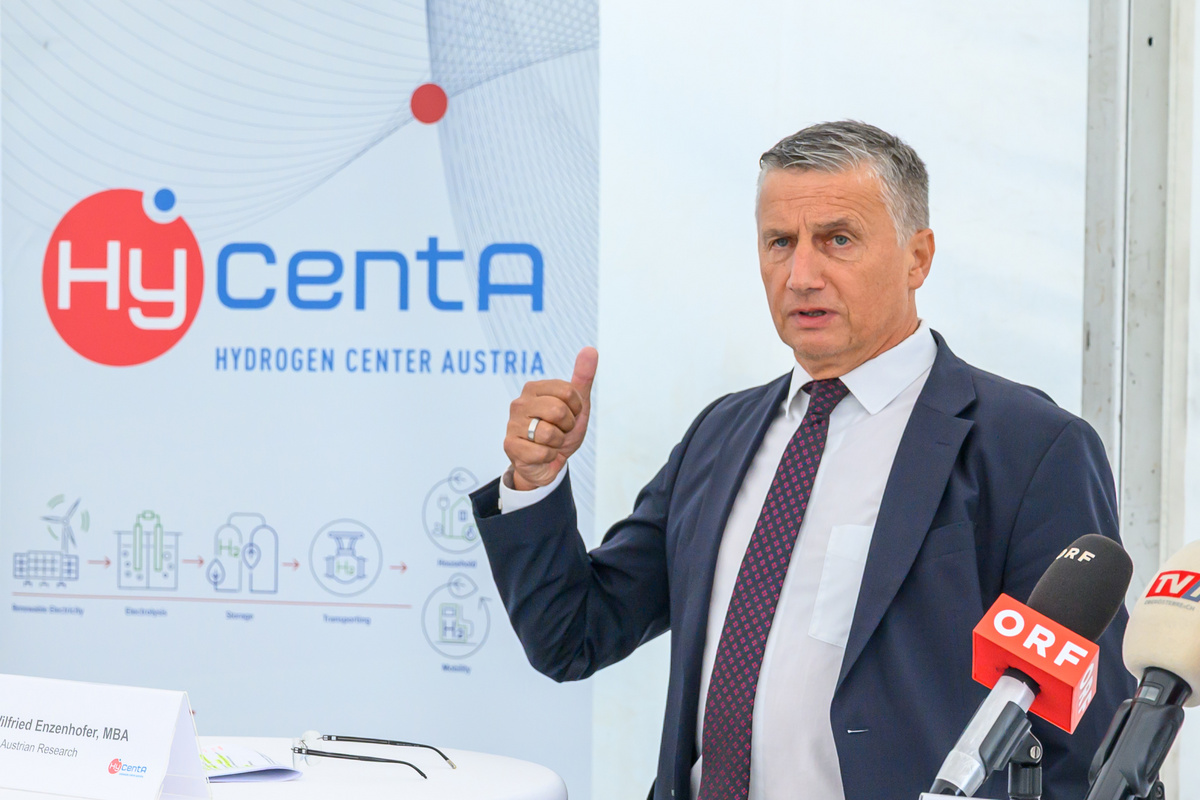
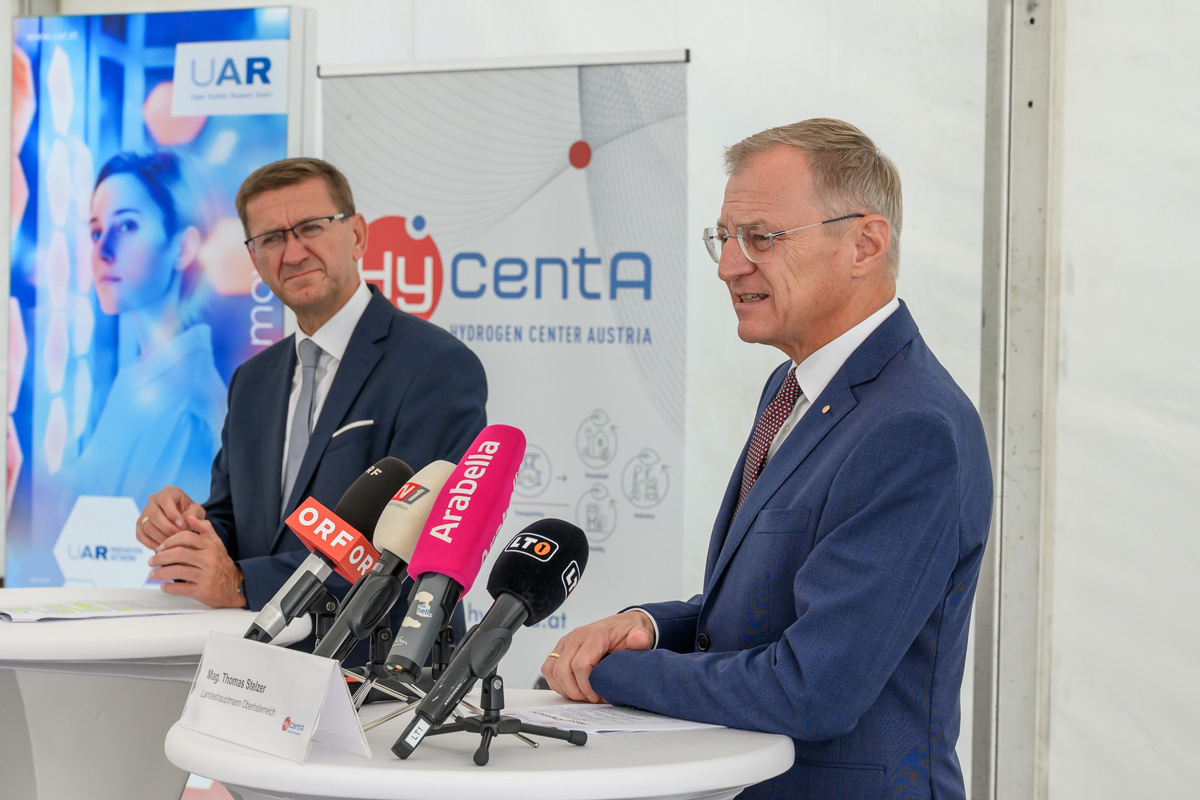
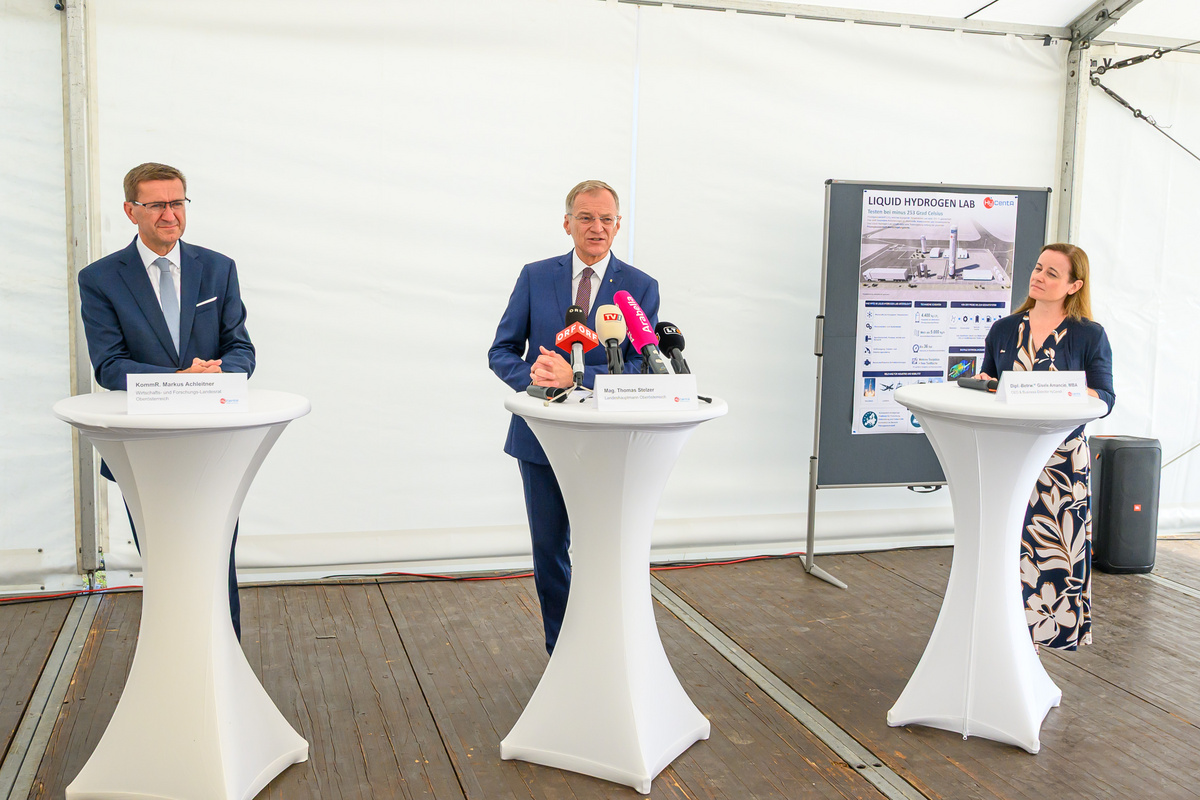
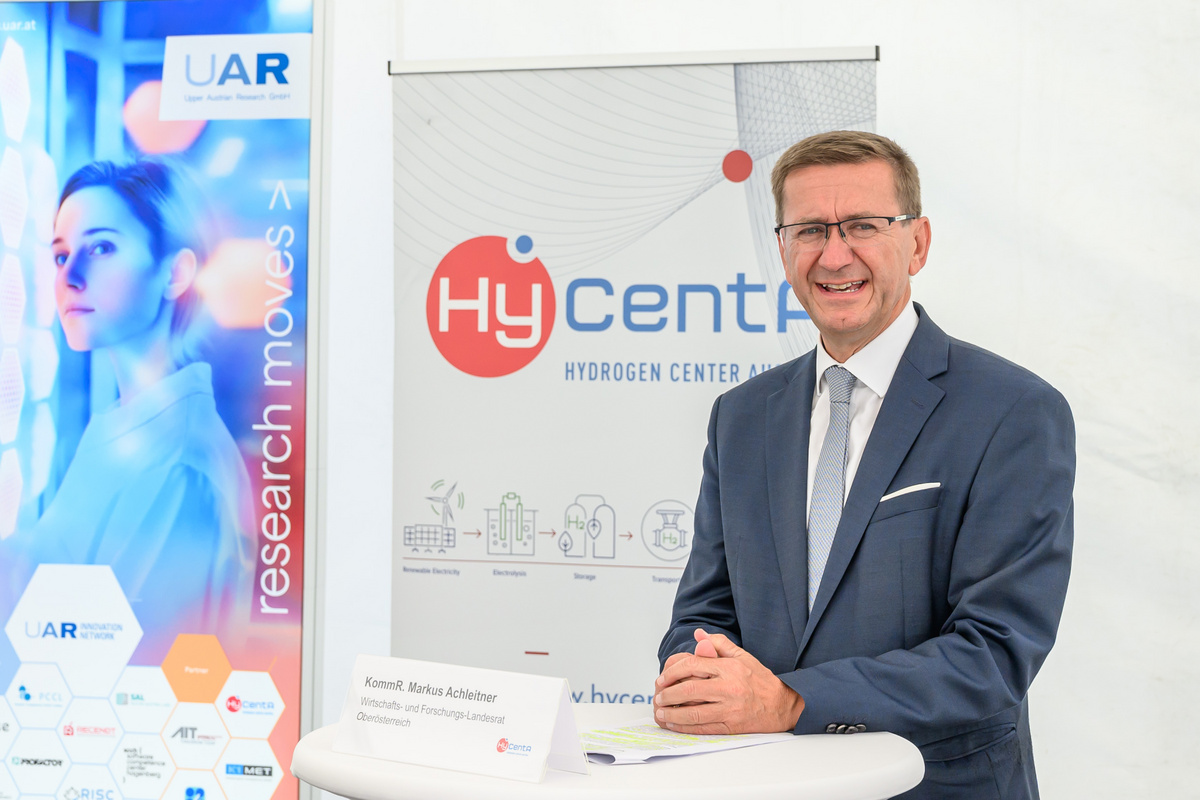
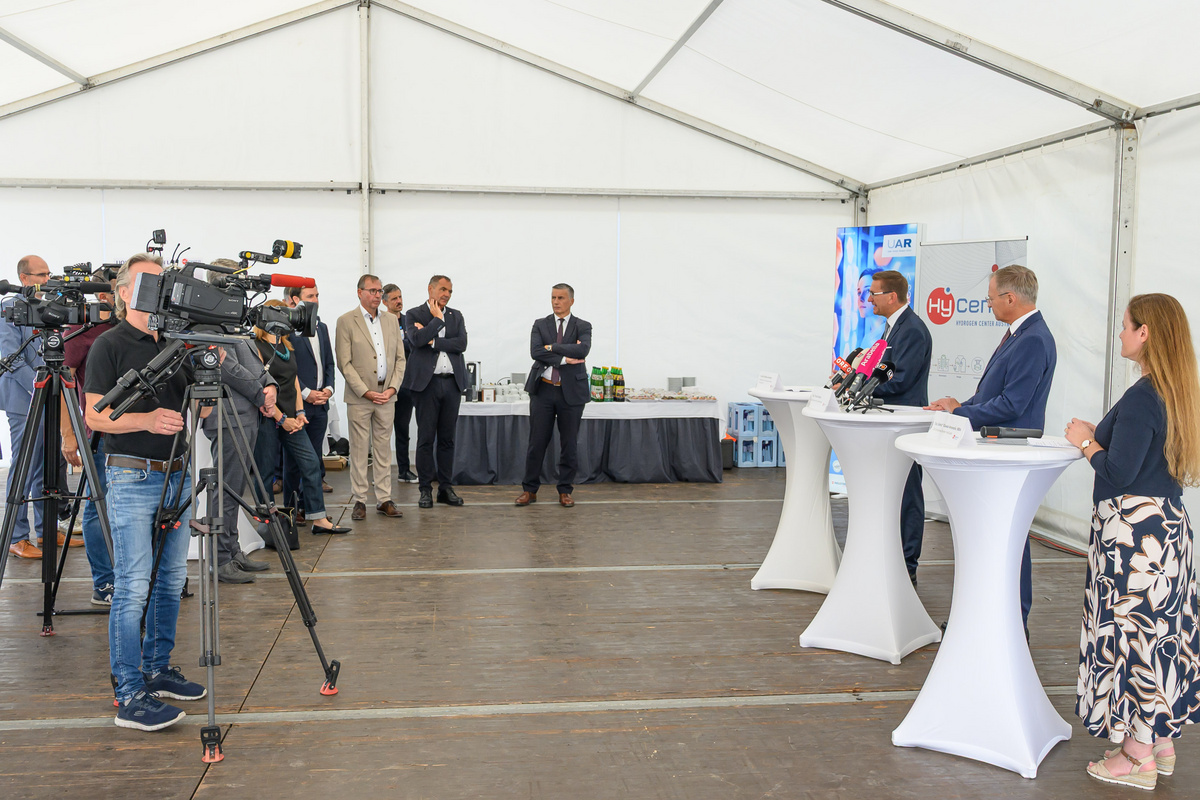
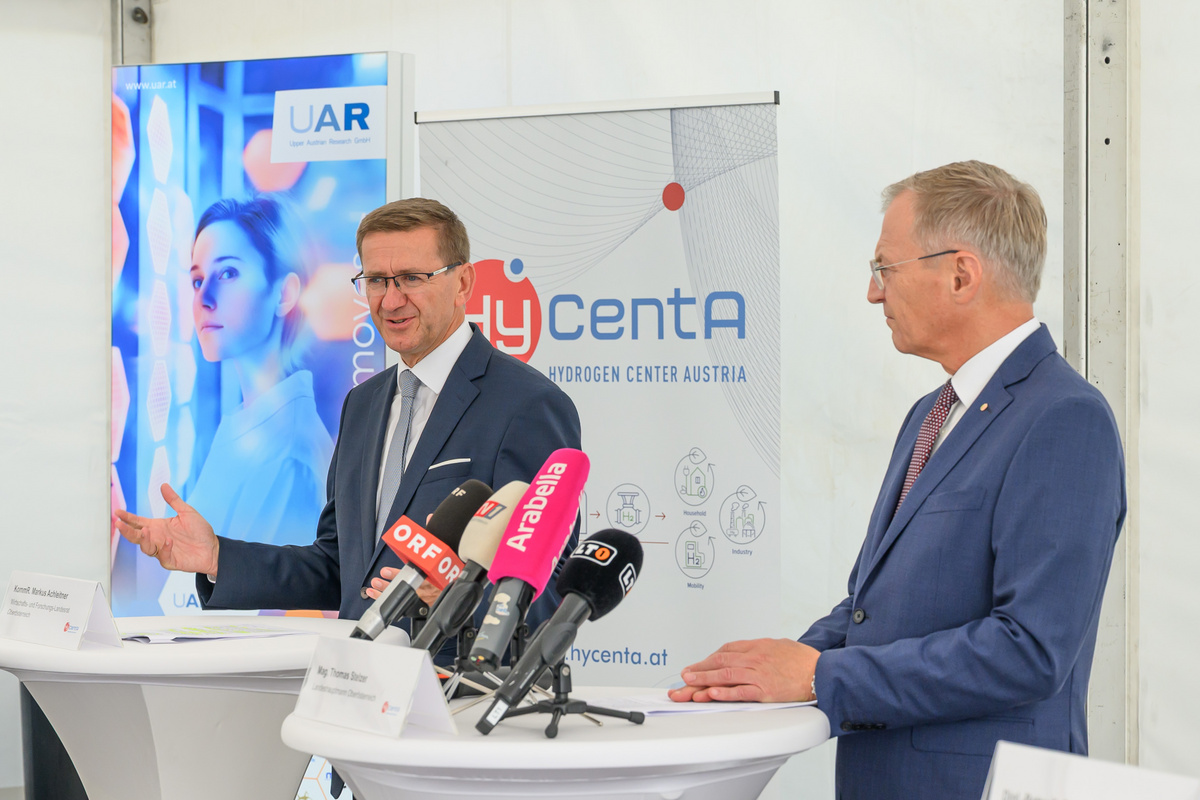
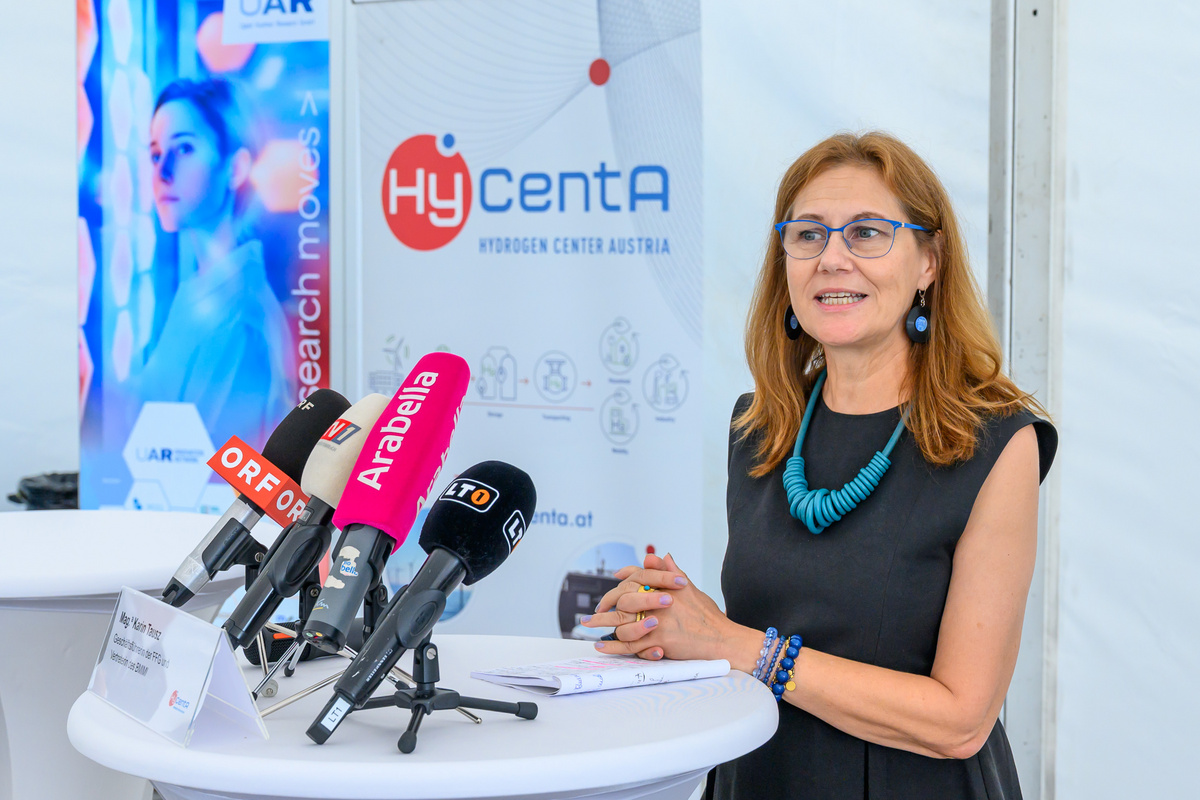
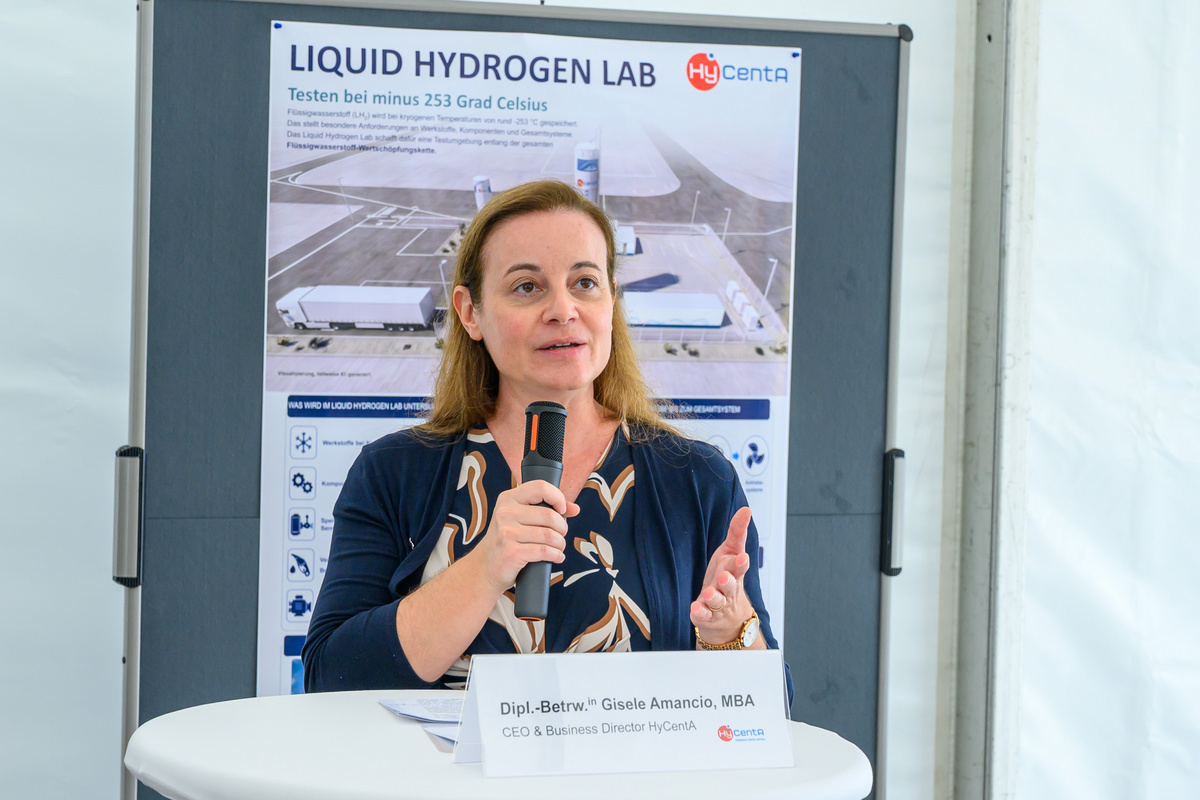
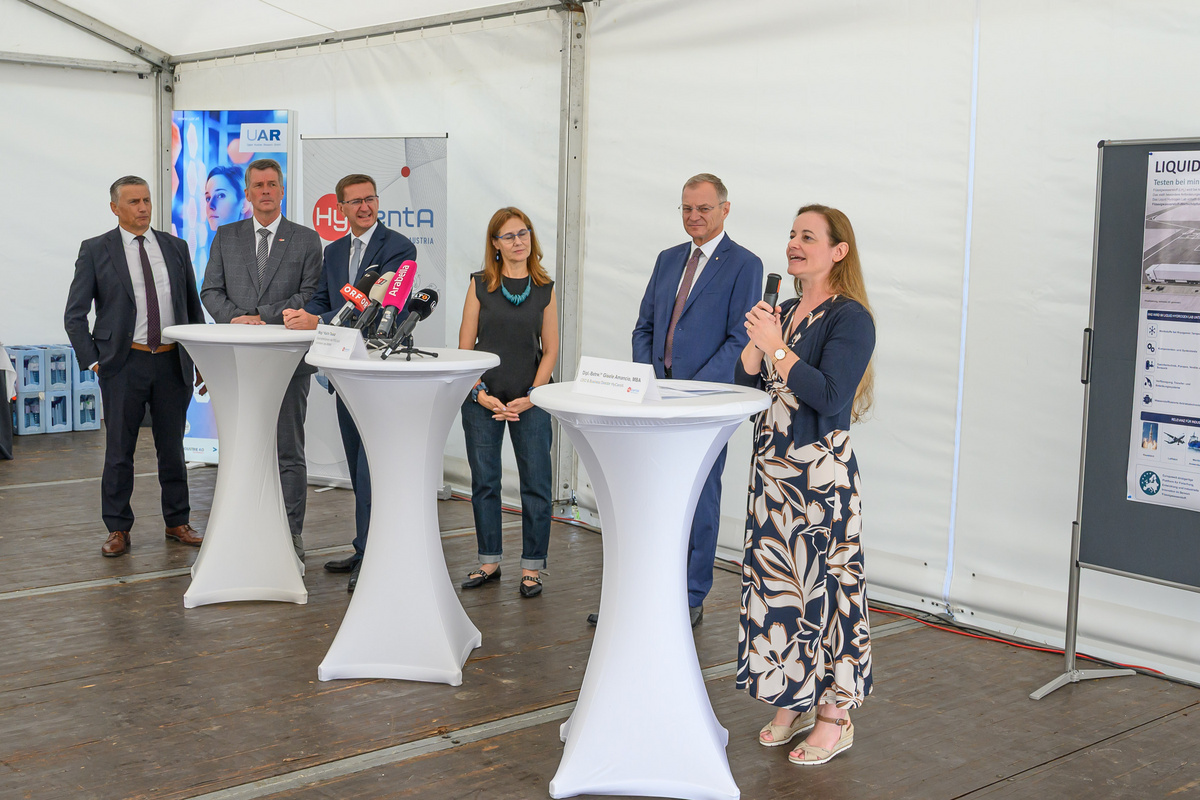
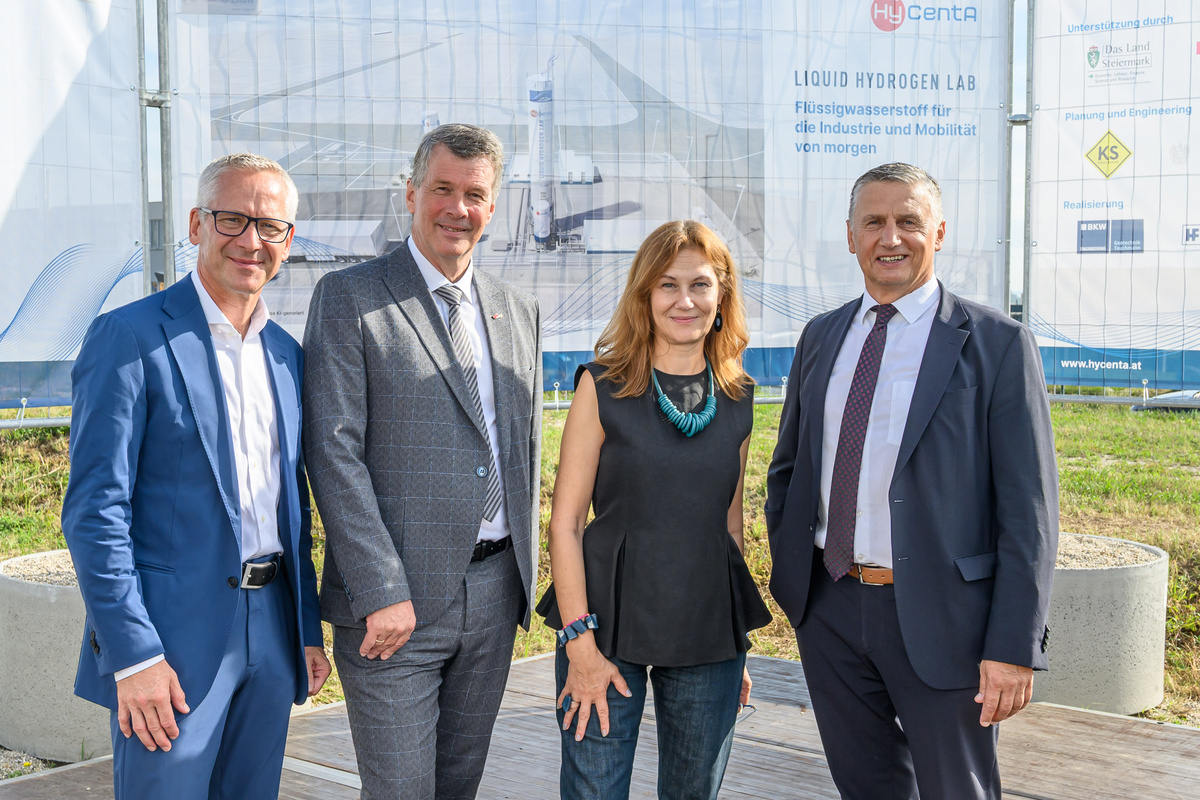
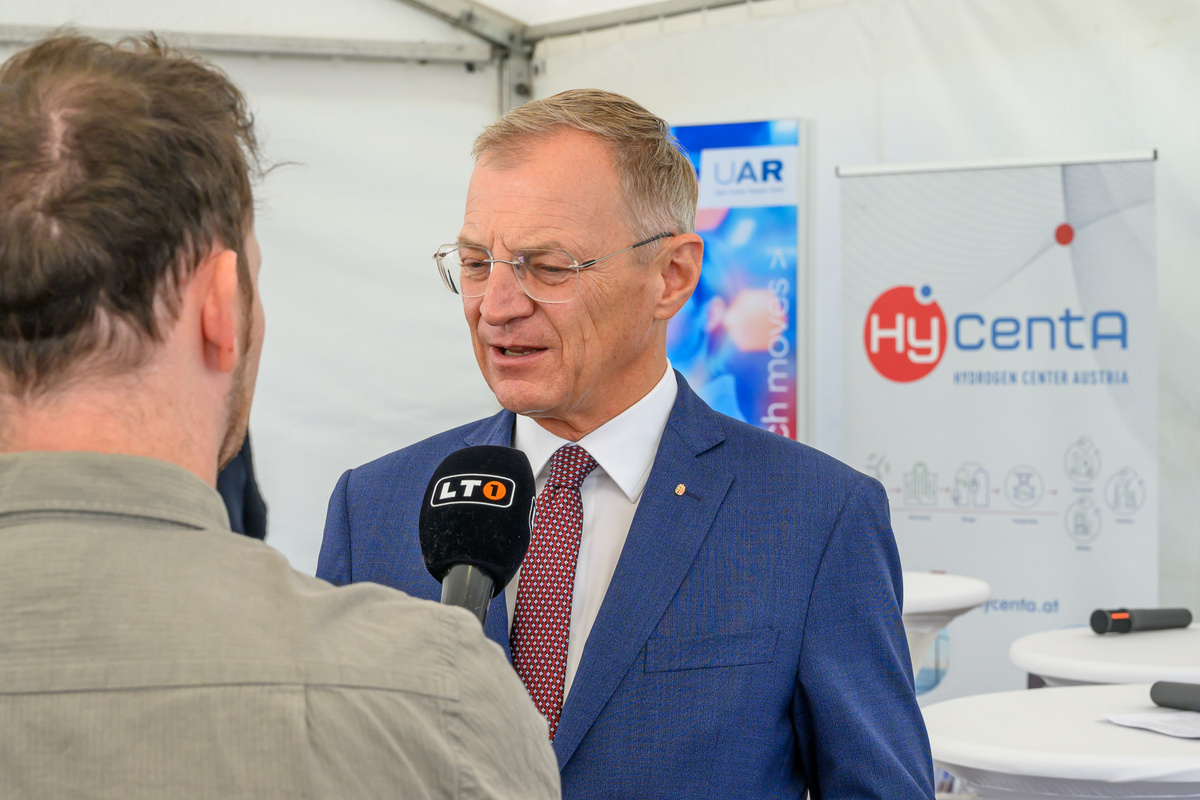
The project was presented at a press event at the future site in Enns together with representatives from science, politics and research funding. Participants in the press briefing included representatives of TU Graz, Upper Austrian Research GmbH, the State of Upper Austria, FFG and BMIMI, as well as HyCentA’s management.
Testing at minus 253 degrees Celsius
Liquid hydrogen is stored at temperatures of around minus 253 degrees Celsius. This places correspondingly high demands on materials, components, and complete systems. The new laboratory is equipped to perform materials testing at cryogenic temperatures, as well as component and system testing. Examples of systems that can be tested include storage systems, pumps, valves, sensors, transfer systems and refuelling systems, as well as hydrogen-based propulsion technologies.
Several test rigs and an open test area allow for the testing of larger systems and components. At the heart of the infrastructure is a stationary liquid hydrogen tank with a capacity of around 4,400 kg of LH₂, which can supply mass flow rates of over 5,000 kg per hour. Additionally, a conditioning vessel is available for testing at pressures of up to 36 bar. This enables realistic reproduction of LH₂ mass flow rates and operating conditions, which are particularly relevant to maritime applications, aviation and road transport. The experimental infrastructure is complemented by a high-performance virtual development environment for high-resolution 3D CFD simulations, digital twins, and virtual product development. This allows physical testing and digital methods to be closely integrated to advance new technologies systematically.
From research to industrial application
The new site represents a strategic expansion of the existing research, development and testing capabilities in Graz. The LHL provides companies and scientific partners with the infrastructure to develop, investigate and validate new materials, components and complete systems under realistic industrial conditions.
Linking the new site with HyCentA’s existing research activities in Graz will create additional synergies. The centre already covers the entire hydrogen value chain, from green hydrogen production and storage to distribution and end use.
Expanding to Enns will open up extensive opportunities for research into liquid hydrogen and cryogenic technologies. Three employees will be based on site from the very beginning, and national and European research projects have already been acquired.
“By combining experimental testing infrastructure, testing capabilities for larger systems and a digital development environment, the Liquid Hydrogen Lab creates a platform for research, development and industrial innovation in liquid hydrogen that is unique in Europe. The new infrastructure therefore makes an important contribution to the further development of zero-emission technologies for the industry and mobility of tomorrow”, says Gisele Amancio, CEO & Business Director at HyCentA.